
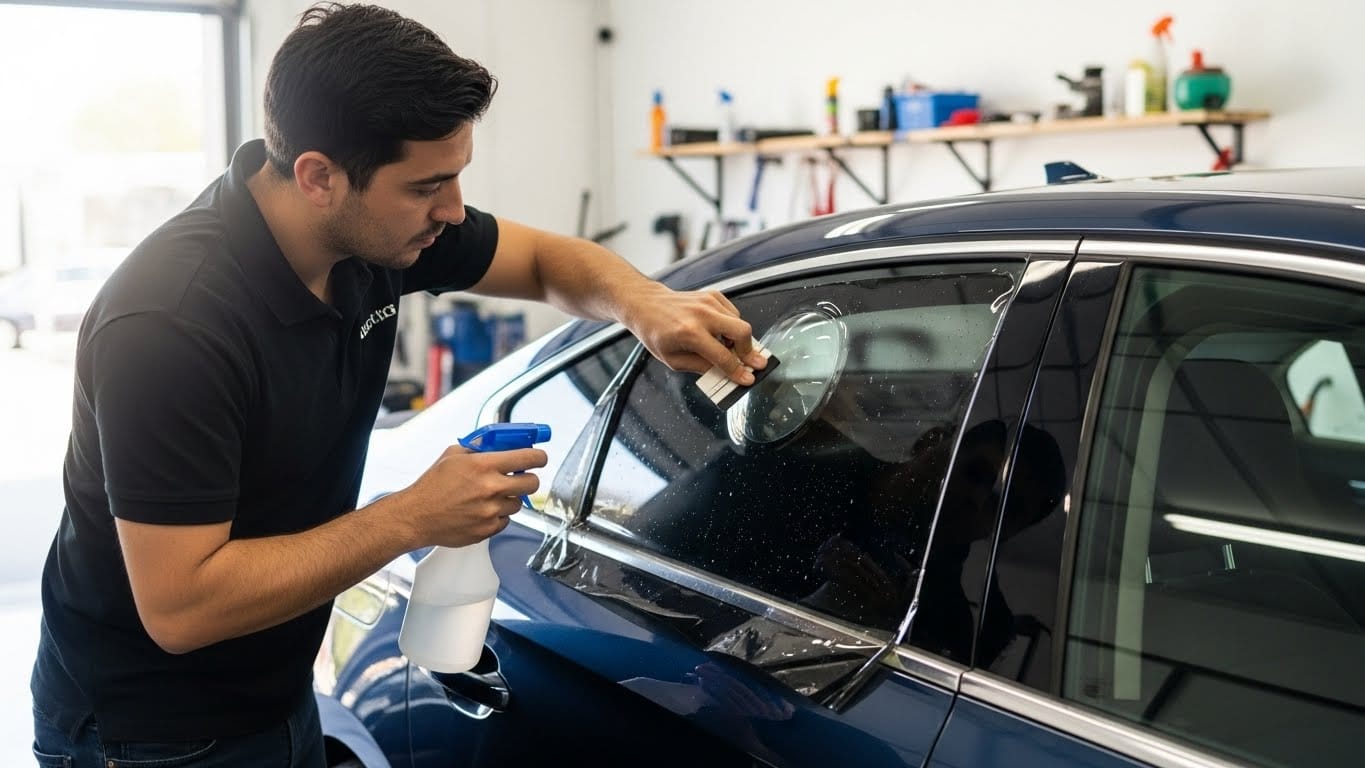
Ever walked out to your car in Dubai, only to spot weird bubbles forming on your window tint? It looks bad, feels worse; it messes with your view. This is not just about looks. Car tint bubbling in Dubai is a red flag that something went wrong, either during installation or later under Dubai’s brutal sun. Whether it’s a cheap film, poor prep, or extreme heat messing with the adhesive, it needs fixing. This guide breaks down why tint bubbles happen, how to deal with them, and how to keep them from coming back.
What Is Car Tint Bubbling?
It starts small. A tiny bump here, a little ripple there. But soon, your sleek tint job begins to look like it has acne. Not exactly the look anyone wants, especially not in Dubai, where tinting is both a necessity and a style statement. Car tint bubbling happens when small pockets of air, moisture, or contamination get trapped between the window glass and the tint film. These bubbles can appear just days after a poor installation, or months later, especially if the tint quality is weak or the car is left baking in the sun. There are a few types:
- Adhesive failure bubbles: when the glue loses grip due to heat or aging
- Moisture pockets: often from rushed or sloppy installs
- Contaminant bumps: dust, sand, or oil particles stuck during application
Once these bubbles form, they don’t magically go away. In fact, under Dubai’s constant heat, they often get worse. The high UV index, frequent sand exposure, and interior temperature spikes all speed up tint damage. You might think a pinhole fix or a bit of heat can smooth it out, but that’s temporary at best. The real issue lies in the breakdown of the tint film adhesive, which needs to bond perfectly to survive the desert. Whether it’s a budget tint job or just old film reaching its end, bubbling means one thing: it’s time to take action before your visibility, comfort, or RTA inspection gets affected. So next time you see those raised spots on your glass? Don’t ignore them. They’re telling you something’s offhand it won’t fix it.
Top Reasons for Car Tint Bubbling in Dubai
If you’ve noticed those annoying blisters or bubbles under your window tint, trust me, you’re not alone. Car tint bubbling in Dubai is way more common than most drivers expect. And no, it’s not always about how much you paid. Even high-end tints can bubble if things go wrong during the processor after. Below are the real reasons why it happens, especially here in the UAE where heat, dust, and poor application often work together to ruin your tint faster than you think.
- Cheap Film, No Heat Resistance
Some tint films just aren’t built for the desert. Non-ceramic films or low-grade dyed films can’t handle Dubai’s 50°C summer heat. The adhesive softens, shifts, and allows tint bubbles to grow within weeks. A proper ceramic tint with UV rejection can handle heat spikes, cheap films can’t. - Bad Surface Prep Before Application
If the glass isn’t cleaned with alcohol or a lint-free method before applying tint, you’re just layering film over grime. Dust, sand, and even fingerprint oil act like bubble magnets. Dubai’s sandy air makes proper prep even more important than in other climates. - Rushed Installation & Trapped Air
Fast tint jobs might look okay at first, but under the surface? Trapped air bubbles. And with Dubai’s sunlight heating your glass every day, those air pockets expand, leaving behind raised bumps that won’t settle, no matter how long you wait. - No Slip Solution or Poor Technique
Professional installers use a slip solution (usually water + baby shampoo) to float the tint into place before squeegeeing. Skip this or squeegee wrong? You get wrinkles and air pockets that slowly turn into tint bubbling. It’s all in the technique. - Expired or Mishandled Film
Tint film has a shelf life, usually about 1–2 years. If stored in humid, non-cooled areas (like many local shops in summer), the adhesive layer weakens. By the time it hits your car window, it’s already lost bonding strength. - Tint Not Cured Properly Post-Install
After installation, the film needs time to “cure” and stick firmly to the glass, usually 48 to 72 hours. Roll down your windows too soon? Park directly under harsh sun? That soft adhesive can shift, allowing moisture or air bubbles to creep in.
Most of these issues come down to one thing: the process. In a place like Dubai, where both the climate and driving conditions are intense, cutting corners during tinting never ends well. If you want your tint to last, the material, technique, and aftercare all matter just as much as the price.
What Happens If You Ignore Car Tint Bubbling in Dubai?
Most people see car tint bubbling in Dubai and think, eh, it’s just a cosmetic issue. A little bump here, a few blisters there… not a big deal, right? But that mindset is exactly what turns a simple problem into a full-blown safety risk. The longer you wait, the worse it gets, and not just in how it looks. Here’s what you’re really risking when you ignore those bubbles:
- Compromised Road Visibility
Ever tried changing lanes with distorted glass? Those bubbles catch sunlight, reflect glare, and distort what’s on the other side of the window. In Dubai’s traffic and high-speed roads, one bad moment of glare can cause a serious situation. - Failed Heat & UV Rejection
Quality tint keeps your cabin cooler by rejecting UV and infrared rays. But when bubbles form, those gaps break the film’s seal. That means the heat gets in, your AC works harder, and the interior temperature shoots up, especially in peak summer. - Accelerated Interior Damage
The bubbling areas let more sunlight through. Over time, this bleaches your dashboard, cracks your leather, and warps plastic trim. In Dubai’s desert sun, this does not take years, it takes months. - Unwanted Legal Trouble
RTA inspections aren’t just about tint percentage. If your window tint looks damaged or creates visibility issues, your car can fail the test. And yes, car tint bubbling falls under that. The law cares about visibility, not just shade level. - Bubbling Spreads Over Time
A few air pockets might not bother you now, but bubbles never stay small. Once the adhesive starts failing, especially under constant heat, it spreads across the entire film like a rash. Eventually, you’ll need full tint removal whether you like it or not.
Ignoring car tint bubbling in Dubai is not saving you time or money; it’s just delaying a bigger bill. Whether it’s safety, comfort, or compliance, those bubbles are warning signs. Listen to them before your tint job turns into a heat trap or a fine.
How to Fix Car Tint Bubbling Professionally in Dubai
You cannot iron it out. You cannot pop it with a pin. And no, a hairdryer won’t magically make the problem disappear. If you’re dealing with car tint bubbling in Dubai, the only real fix is to get it handled the right way, by Car Tinting Experts Dubai, who know what they’re doing in this climate. Anything less? You’ll be back to square one, fast. Here’s how a proper tint bubbling fix is done, step by step, no shortcuts.
- Full Tint Removal & Not a Patch Job
First things first, you don’t fix bubbles by pressing them down. The entire film needs to be removed. Pros will use a steam gun or controlled heat to soften the adhesive, and then peel it off without damaging your defroster lines or rear glass elements. On average, full tint removal takes 1.5–2 hours. - Glass Decontamination
Once the old film’s off, the real work begins. The adhesive residue is scrubbed with ammonia-based tint removers or alcohol. Every speck of dust, oil, or previous glue must be cleaned. If this step is skipped, even the best ceramic tint will bubble again. - Inspection for Heat Cracks or Damage
If the tint has been bubbling for months, especially on older vehicles, it’s smart to check for underlying glass damage. Heat cracks, tint line burns, or film ghosting can be found during this step. Professionals inspect with UV flashlights and magnifiers. - Re-Tinting With Proper Film
This time, the right product matters. In Dubai, carbon or ceramic tints with heat rejection of 50–70% are recommended. Avoid dyed films. VLT (Visible Light Transmission) levels must also meet RTA standards, 30% for front windows, and 15% for rears. - Slip Solution & Precision Application
Professional installers use a custom slip solution (baby shampoo + distilled water, exact ratio 1:10) to float the film perfectly into place. This allows precise alignment and bubble-free installation. No shortcuts, no creases, no dry installs. - Proper Curing & Aftercare Advice
After tinting, the car is kept under shade or indoors for at least 24 to 48 hours. During this time, no window rolling, no direct sunlight exposure. Installers should also give care tips for Dubai’s climate, like occasional misting to reduce heat strain.
Fixing car tint bubbling in Dubai is not just about reapplying a film; it’s about correcting everything that went wrong the first time, and prepping your car to survive the next heat wave. One solid job now saves you from peeling, blistering, and frustration down the road.
Keep Bubbles Away | How to Prevent Tint Problems in Dubai
You got the bubbling fixed, great. But now what? You don’t want to go through that mess again, right? The good news is: Car Window Tint Dubai can be avoided if you treat the tint right from day one. It’s not just about the product, it’s how it’s installed, used, and maintained in this brutal weather. Here’s how you make sure those bubbles never come back:
- Choose Heat-Tested Tint Only
Not all tints are made for Dubai’s climate. Go for ceramic tinting Dubai or nano-carbon films that are rated for 50°C and above. These handle UV exposure better and don’t peel when the adhesive softens in summer. - Ask for Fresh, Not Shelf-Aged Film
Film rolls have expiry dates. If a tint roll has been sitting in a shop for over 18 months in humidity, its glue loses grip. Always ask your installer if they’re using fresh batch film, not leftover stock. - Let It Cure in Shade
After application, keep the car parked in the shade or indoors for 48–72 hours. Avoid rolling windows down. That curing period is when the film bonds fully. Rushing it can cause early lift and moisture pockets. - Say No to DIY and Mobile Installs
Mobile tinting under the sun or dusty areas is a shortcut to bubbles. Professionals work in controlled environments with the right lighting, tools, and temperature. Don’t let anyone tint your car on a driveway. - Keep Windows Clean, Especially Edges
Over time, sand and grime settle at the film edges. When it gets under the surface, it lifts the tint. A simple monthly glass wipe, especially near corners, can slow down edge failure. - Schedule a Tint Health Check Once a Year
Just like tyres or batteries, tint needs a check too. Professional shops can inspect for adhesive stress, early delaminating, and heat line damage. Fixing it early prevents a full redo.
Prevention is not about babying your car; it’s about respecting how extreme Dubai’s conditions are. The sun here will test your tint. But if you choose wisely and treat it right, you won’t have to see another bubble again.
In Dubai, tint is not just for looks, it’s for survival. But when car tint bubbling starts to show, it’s more than just an eyesore. It means your comfort, safety, and even RTA compliance is on the line. Most bubbles don’t fix themselves. They spread. They distort your view. They make your car feel hotter than it already is. And worst of all? They silently damage your investment.
If your tint is already bubbling or starting to lift, don’t wait for it to get worse. Let professionals handle it with the right tools, proper materials, and experience that match Dubai’s extreme conditions. We’ll remove the mess, re-tint it with high-performance film, and make sure you drive out cooler, safer, and bubble-free. Ready when you are, your car deserves better.